


Skyrocketing electricity bills? Discover simple ways to save big every month.
Table of Contents
ToggleSmart Energy Habits That Can Reduce Your Monthly Electricity Expenses
Electricity bills are rising year after year, and households nationwide are feeling the financial strain. The problem is that higher rates combined with wasteful habits make monthly expenses soar. This creates stress and uncertainty, especially when you want to cut costs but aren’t sure where to start. The solution lies in making smart choices—both small daily actions and strategic long-term investments. In this article, we’ll uncover how to lower your electricity bill with proven methods you can start today.
Every strategy here is designed to be practical, backed by research, and simple enough for any household to implement. With advice from the U.S. Department of Energy (DOE) and the New Hampshire Department of Energy (NHDOE), you’ll find solutions that work for your lifestyle and budget.
1. Get a Home Energy Audit
A home energy audit is the most effective first step in identifying areas of concern. Trained professionals assess your insulation, heating, cooling systems, appliances, and windows to identify areas where energy is being wasted. Some utilities provide these audits for free or at a reduced cost. You can also use DOE’s Home Energy Saver online tool to generate a customized plan. The insights help you prioritize improvements and make informed decisions that can immediately reduce monthly electricity costs.
2. Use Energy Monitoring Tools and Apps
When you see real-time usage data, you can make smarter decisions. Devices like Sense, Neurio, and Smappee pair with home energy monitoring apps that track which appliances consume the most energy. These devices also function as electricity usage tracking apps, giving you clear insight into your daily consumption patterns. Studies from the DOE show that households using these tools cut their electricity use by up to 15%. The ability to spot and stop unnecessary consumption empowers you to act quickly.
3. Install a Smart Thermostat
Heating and cooling account for nearly half of the average home’s energy use. A smart thermostat adapts to your preferences, creating real smart thermostat energy savings. The EPA reports that these devices can lower heating and cooling costs by 10–23%. They enable remote adjustments via smartphone apps, allowing you to optimize energy use even when away. Additionally, many utilities offer rebates for installing smart thermostats, making the investment even more attractive.
4. Switch to Energy-Efficient Lighting
Lighting may seem insignificant, but it accounts for around 15% of an average household’s electricity usage. Replacing outdated bulbs with LEDs offers immediate and long-term savings. LEDs offer LED lighting energy savings of up to 75% compared to incandescent bulbs, while lasting significantly longer. Switching to LED lighting across your home reduces waste, lowers bills, and minimizes the hassle of frequent replacements.
5. Address Standby Power or “Vampire Loads”
Electronics and appliances often consume power even when switched off. This hidden drain, known as reducing phantom power vampire loads, can add 5–10% to your bills. Unplugging chargers, entertainment systems, and small appliances when not in use makes a noticeable difference. Smart plugs and power strips that shut off automatically are an affordable way to eliminate this waste without disrupting your daily routine.
6. Take Advantage of Time-of-Use Programs
Time-of-use (TOU) plans reward customers for shifting usage to off-peak hours. Running the dishwasher, doing laundry, or charging electric vehicles overnight helps you save electricity during off-peak hours. These programs can deliver substantial savings for families with flexible schedules. Some utilities even send reminders or alerts to help you adjust usage during peak demand.
7. Upgrade to Energy-Efficient Appliances
Household appliances account for a large portion of electricity consumption. Replacing outdated units with certified energy-efficient appliances ensures lower costs and better performance. For instance, modern refrigerators use 40% less energy than those manufactured 15 years ago. Washers and dishwashers with Energy Star ratings also use less water and electricity, offering combined utility savings. Many programs also provide energy efficiency rebates, making the switch more affordable.
8. Improve Insulation and Weatherproofing
Poor insulation and air leaks waste valuable energy, particularly in heating and cooling. Adding insulation to reduce energy bills also reduces demand on HVAC systems, ensuring indoor temperatures remain stable. Sealing ducts, insulating attics, and weatherproofing windows and doors are simple projects that provide ongoing benefits. According to the NHDOE, improving insulation can significantly cut heating and cooling costs year-round.
9. Adopt Energy-Saving Habits
Your behavior directly impacts energy costs. Simple daily habits to lower electricity bill include:
- Washing clothes in cold water
- Air-drying laundry and dishes
- Turning lights off when leaving rooms
- Adjusting thermostats a few degrees seasonally
- Cooking with smaller appliances, such as microwaves or toaster ovens, instead of a full oven. Although small, these habits can build long-term results, especially when practiced consistently by everyone in your household.
10. Explore Incentives and Rebates
Rebates help offset the cost of upgrades, making energy-efficient choices more accessible. Utilities often offer rebates for smart thermostats, insulation improvements, and efficient appliances. Some states provide tax credits in addition to rebates, further lowering costs. Exploring these energy efficiency rebates ensures that you maximize the value of your upgrades while reducing energy usage.
11. Consider Smart Home Integration
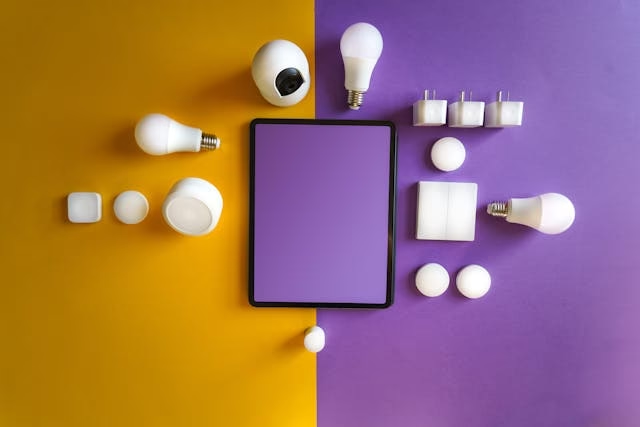
Smart home technology streamlines savings by automating controls, allowing for more efficient use of resources. Smart home devices to reduce power consumption include connected lighting, smart plugs, and integrated heating systems. These systems enable scheduling, voice control, and energy usage reporting. Some programs connect with utilities to manage load during peak times, offering customers bill credits or discounts. Automation ensures that efficiency becomes a part of your lifestyle without requiring constant attention.
12. Compare Energy Suppliers Where Possible
In deregulated markets, customers can shop for better rates and compare energy suppliers to find the best options. Reviewing offers ensures you choose plans that fit your usage patterns. Comparing electricity rates by state/city provides insight into the best deals in your region. Switching suppliers is a simple way to save money on electricity and gain control over your costs.
A Smarter Way Forward
Reducing your bills is achievable when you take consistent action. Whether it’s through smart thermostats, energy audits, insulation, or efficient lighting, there are many ways to reduce electricity bill. Pairing these solutions with mindful habits and rebate programs gives you both immediate and long-term savings. The goal is not only how to cut electricity bill but also to create lasting changes that support reduce energy consumption at home and lower your environmental impact. For more strategies and resources, visit christinenabisswa.com.
FAQs
- What are the fastest actions for lowering electricity bills?
Switch to LED bulbs, unplug unused electronics, and install a smart thermostat for quick savings.
- Do monitoring apps and devices actually save money?
Yes. The DOE reports that homes using real-time monitoring cut electricity use by 4–15%.
- How effective are smart thermostats?
Smart thermostats reduce heating and cooling costs by up to 23%, while improving comfort.
- Is upgrading appliances cost-effective?
Yes. Modern appliances with Energy Star ratings use far less power and water, reducing long-term costs.
- Can I reduce costs without new purchases?
Absolutely. Turning off unused lights, using cold water for laundry, and adjusting thermostat settings save money at no cost.
- What rebates or incentives are available?
Many utilities and states offer rebates or tax credits for efficient appliances, insulation, and smart thermostats. Check local programs for details.

